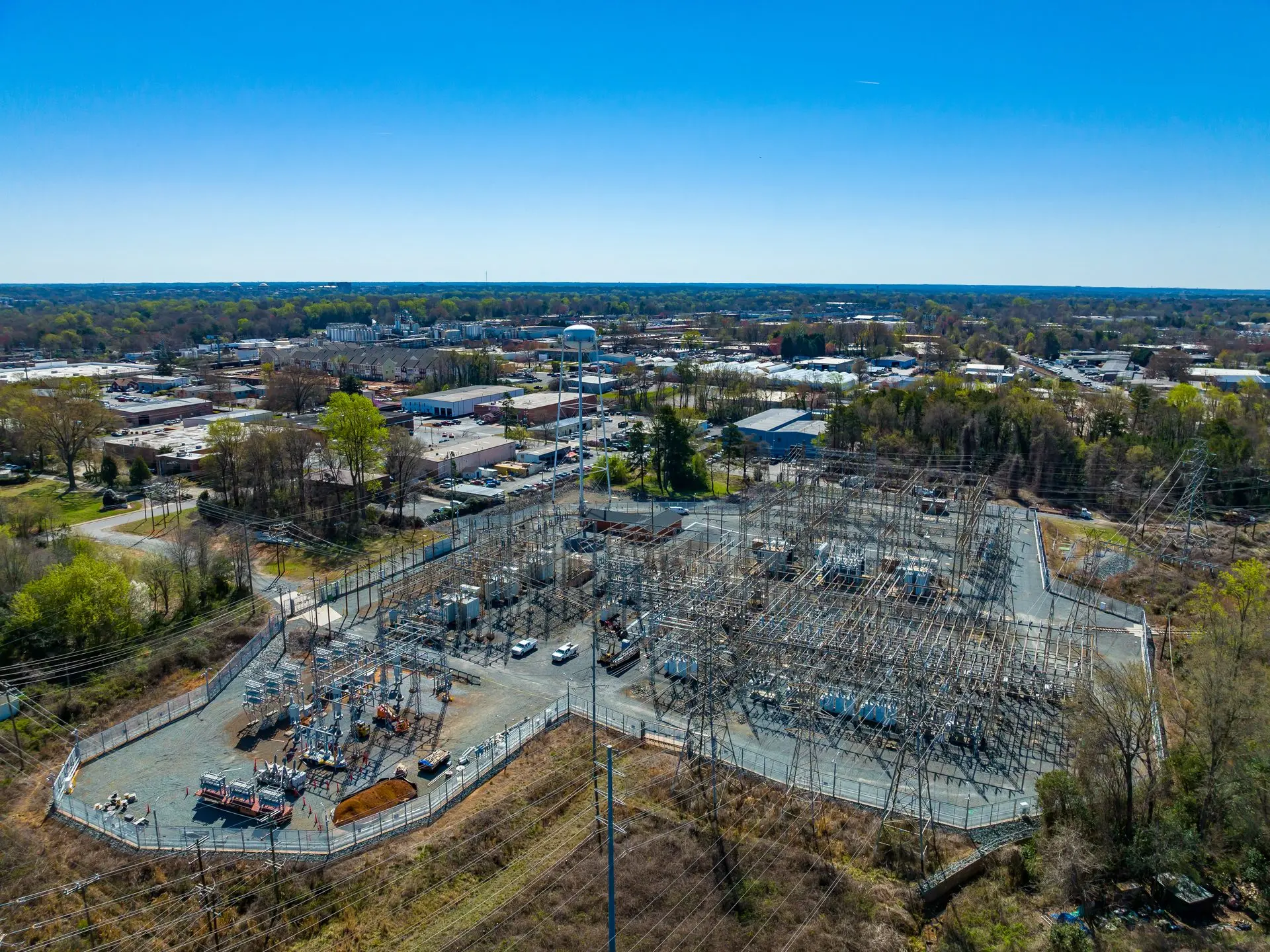
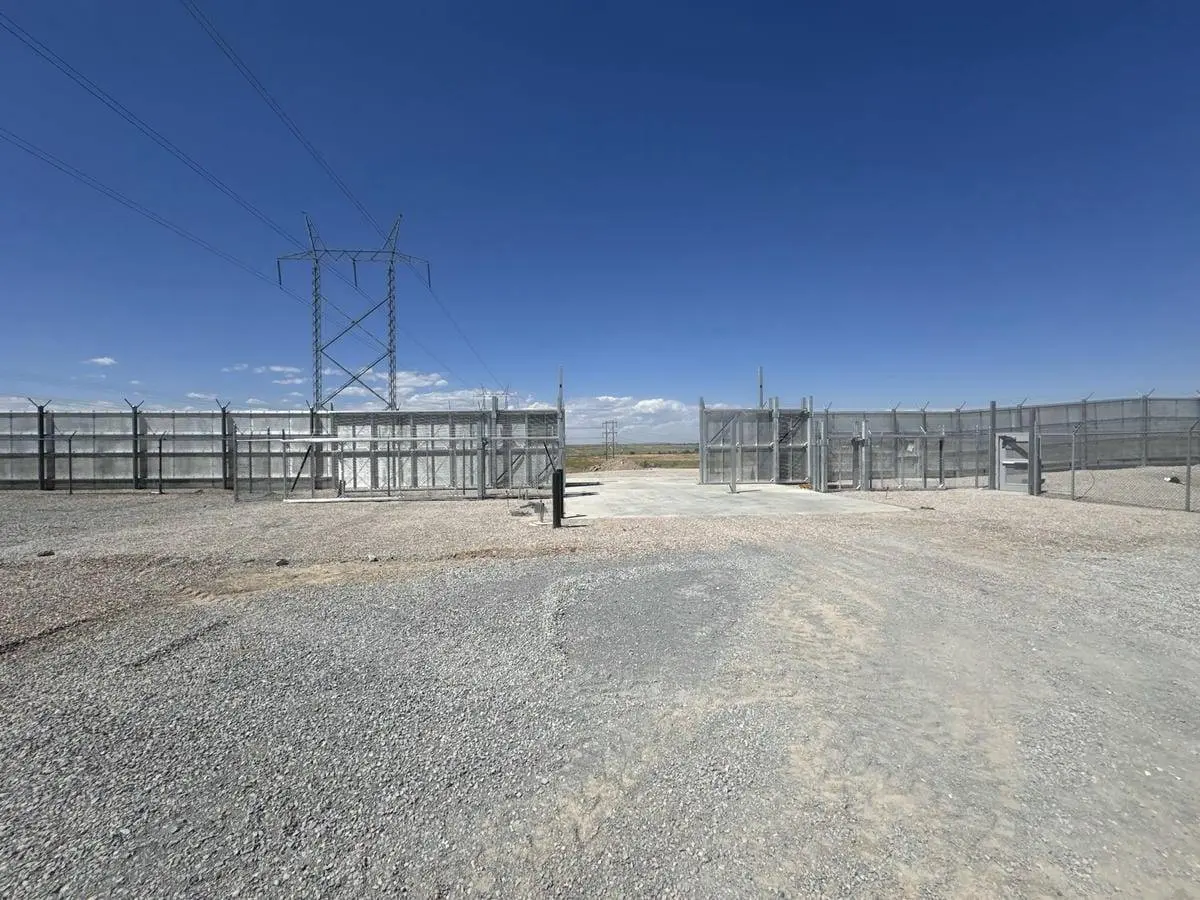
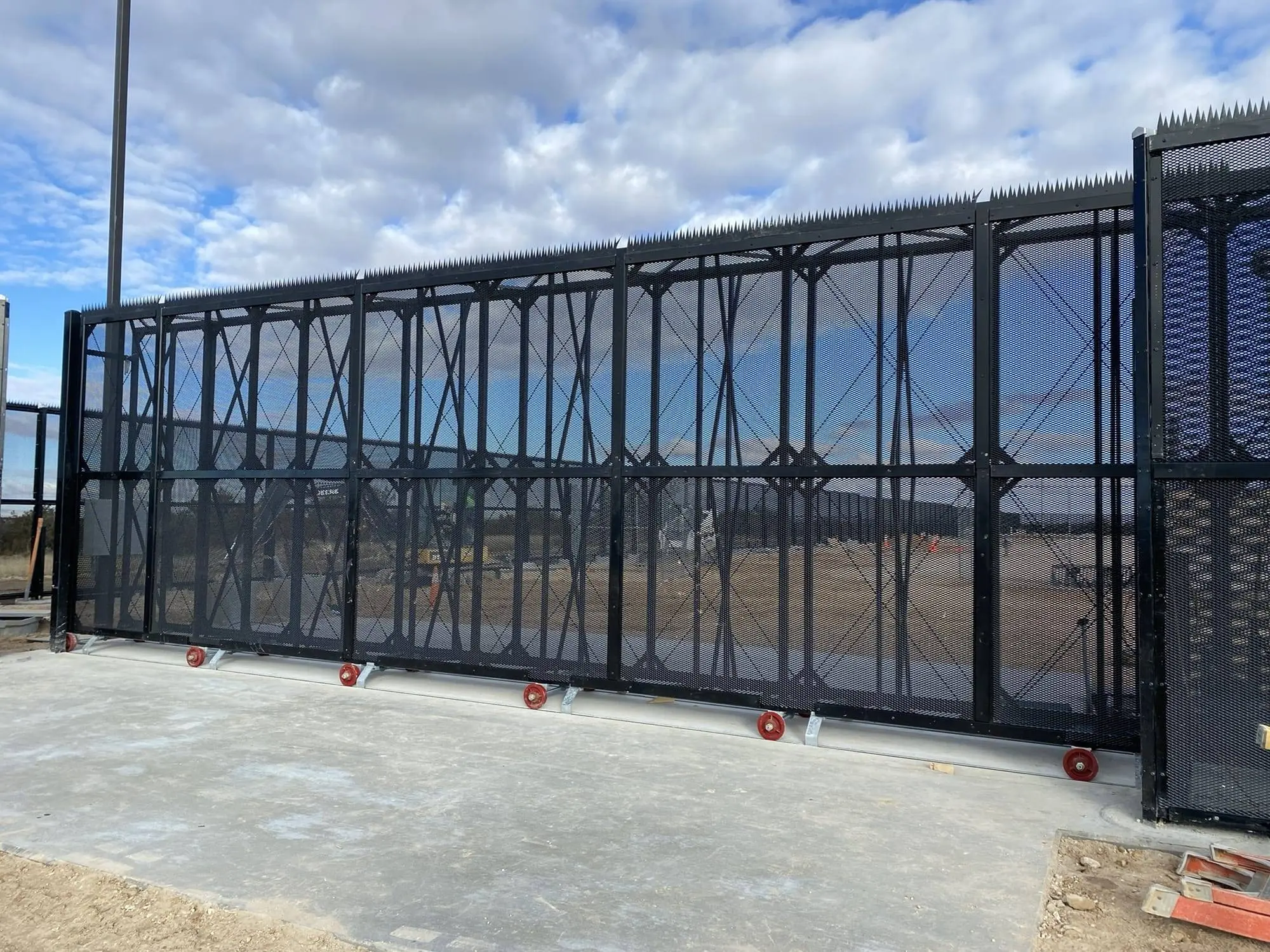
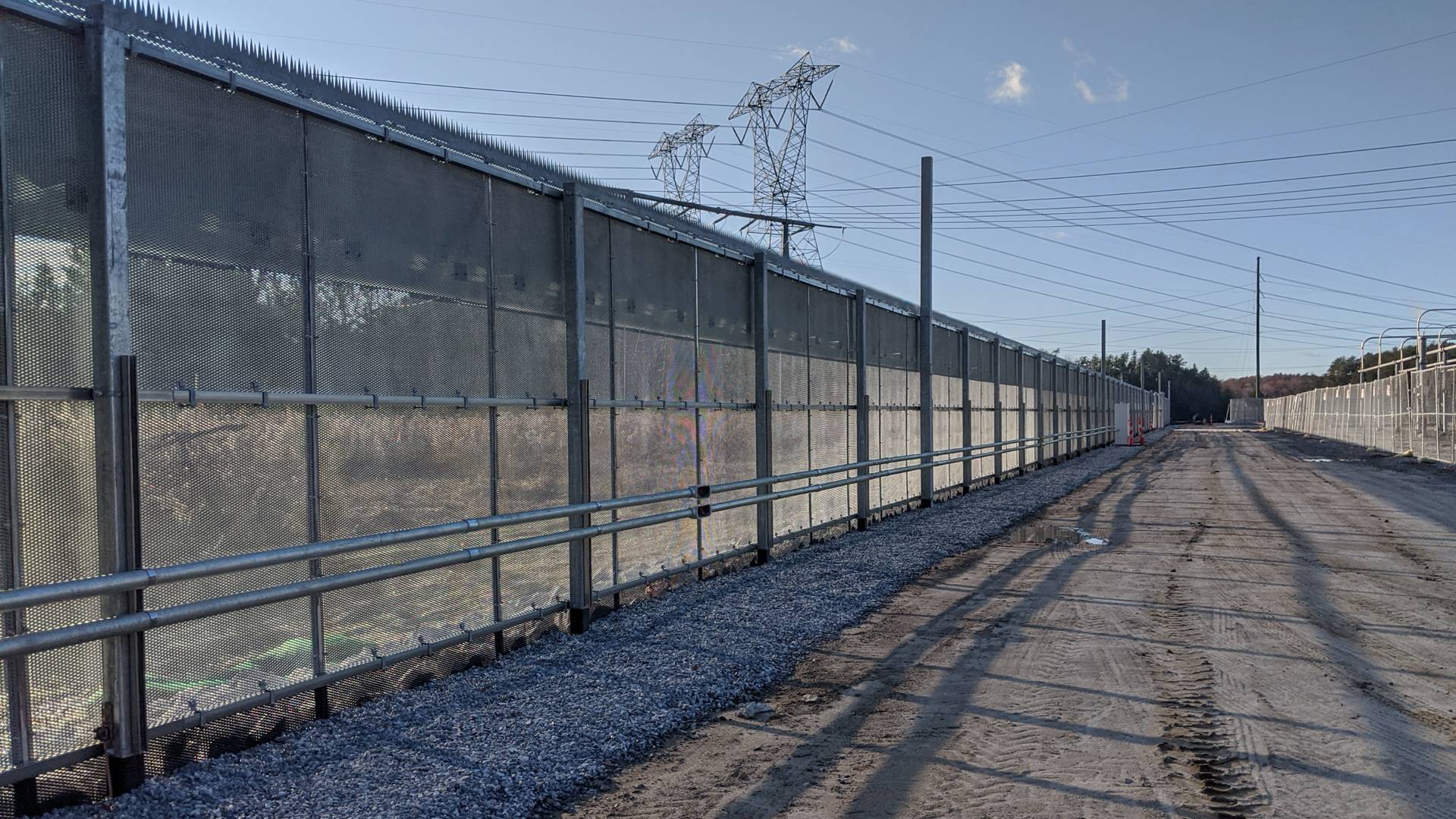
Physical Security & Perimeter Construction for Critical Infrastructure

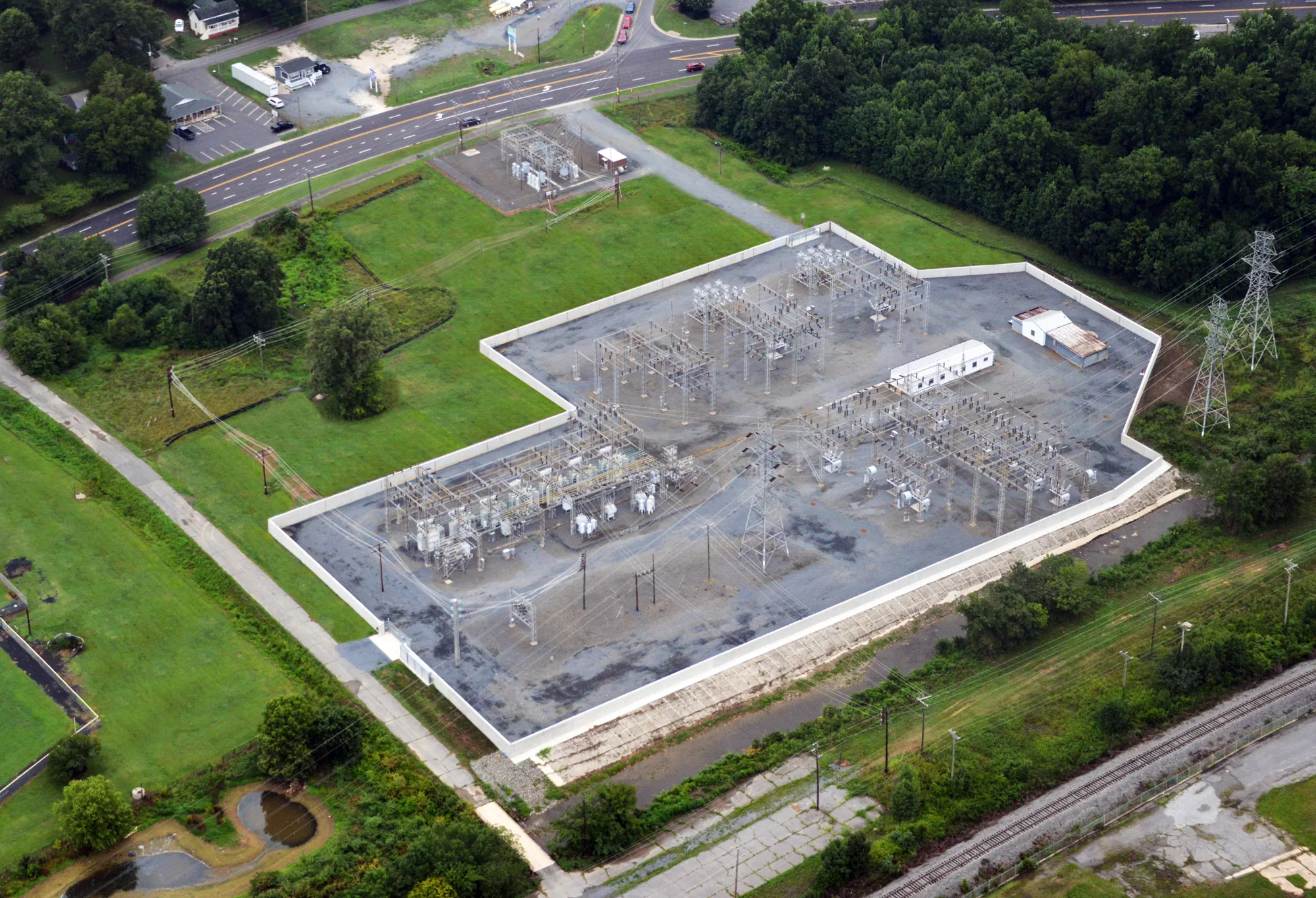
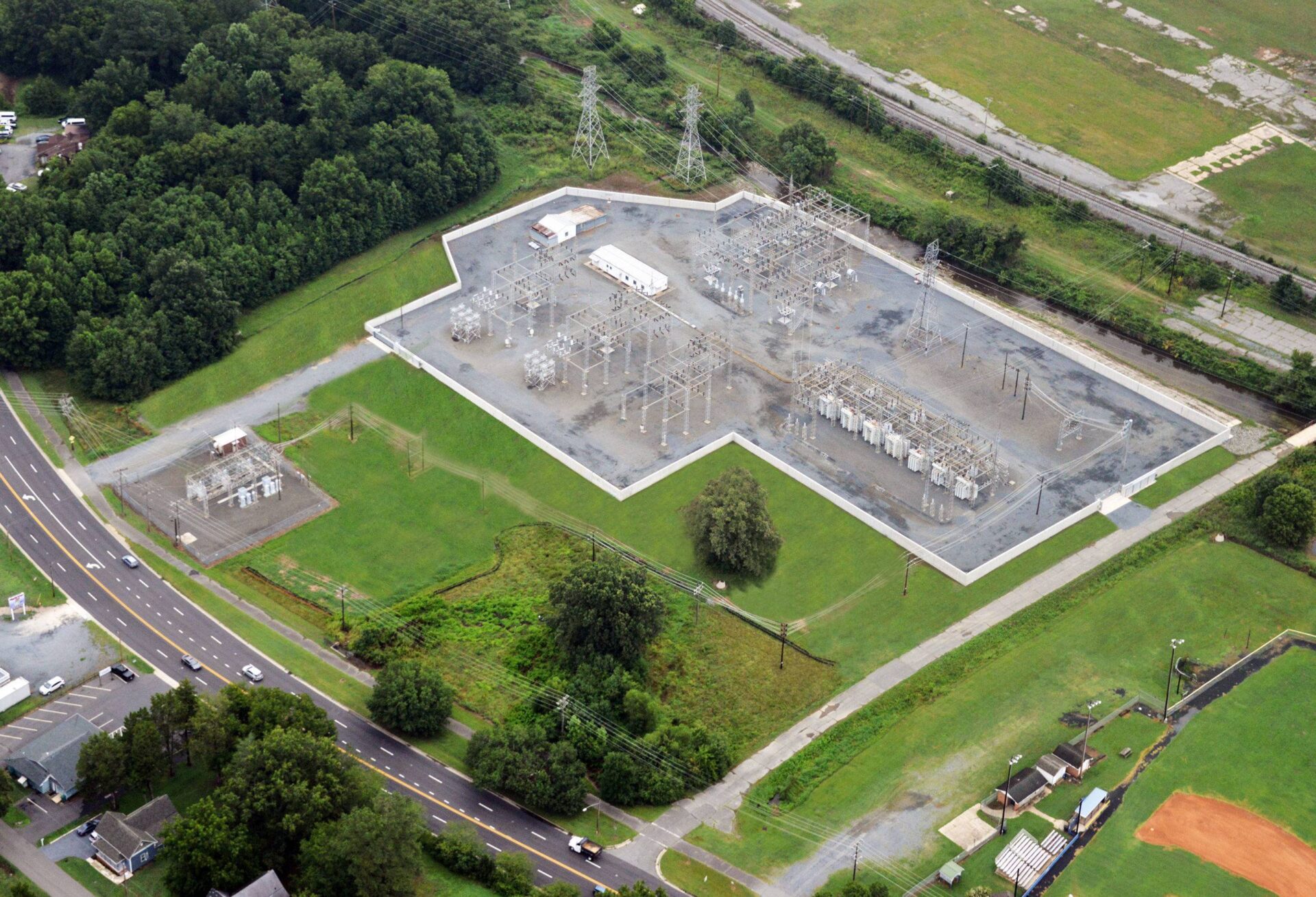
Langston Construction Company is a physical security construction contractor for critical infrastructure across seven mission-critical sectors: substations, hyperscale data center perimeters, federal facilities, renewable generation, water utilities, oil and gas, and airports and transit. We build security fencing, anti-climb fence, ballistic and blast-rated walls, crash-rated gates, security enclosures, and NERC CIP-014 substation security.

Watch: physical security construction for substations

Langston Construction Company builds security fencing, anti-climb fence, ballistic walls, and NERC CIP-014 hardening for substations and critical-infrastructure sites.

Have a physical security construction project in discovery?

Talk to a Langston construction lead about scope, schedule, and coverage across substations, hyperscale data centers, federal facilities, renewables, water utilities, oil and gas, or airport and transit critical assets.

Physical security construction FAQ

Common questions on ballistic and blast walls, anti-climb fencing, crash-rated gates and bollards, access control, surveillance, and NERC CIP-014 substation security.

What does physical security construction include?

Physical security construction covers the built perimeter and hardening of a site: high-security and anti-climb fencing, ballistic, blast, and fire-rated walls, crash-rated vehicle gates and bollards, access-control and surveillance infrastructure, and structural hardening of critical buildings. Langston Construction Company builds the civil, structural, and physical-security scope with its own crews under one contract.

What is NERC CIP-014, and which substations require it?

NERC CIP-014 is the federal reliability standard requiring physical security for transmission substations and control centers whose loss could cause instability or cascading outages. It mandates a threat and vulnerability assessment, a physical security plan, and third-party review. Langston builds the CIP-014 hardening scope - perimeter walls, anti-climb fencing, vehicle barriers, and surveillance infrastructure - at 230 kV, 500 kV, and 525 kV substation sites.

What is the difference between a ballistic wall and a blast wall?

A ballistic wall stops projectiles and is rated to UL 752 levels, from 9mm handgun (Level 1) to .50 BMG (Level 10). A blast wall resists overpressure from an explosion and is engineered to a standoff distance and charge weight. The two are often combined - ballistic plate or precast concrete for penetration resistance, mass and reinforcement for blast - in a single hardened wall assembly.

What is an anti-climb fence, and where is it used?

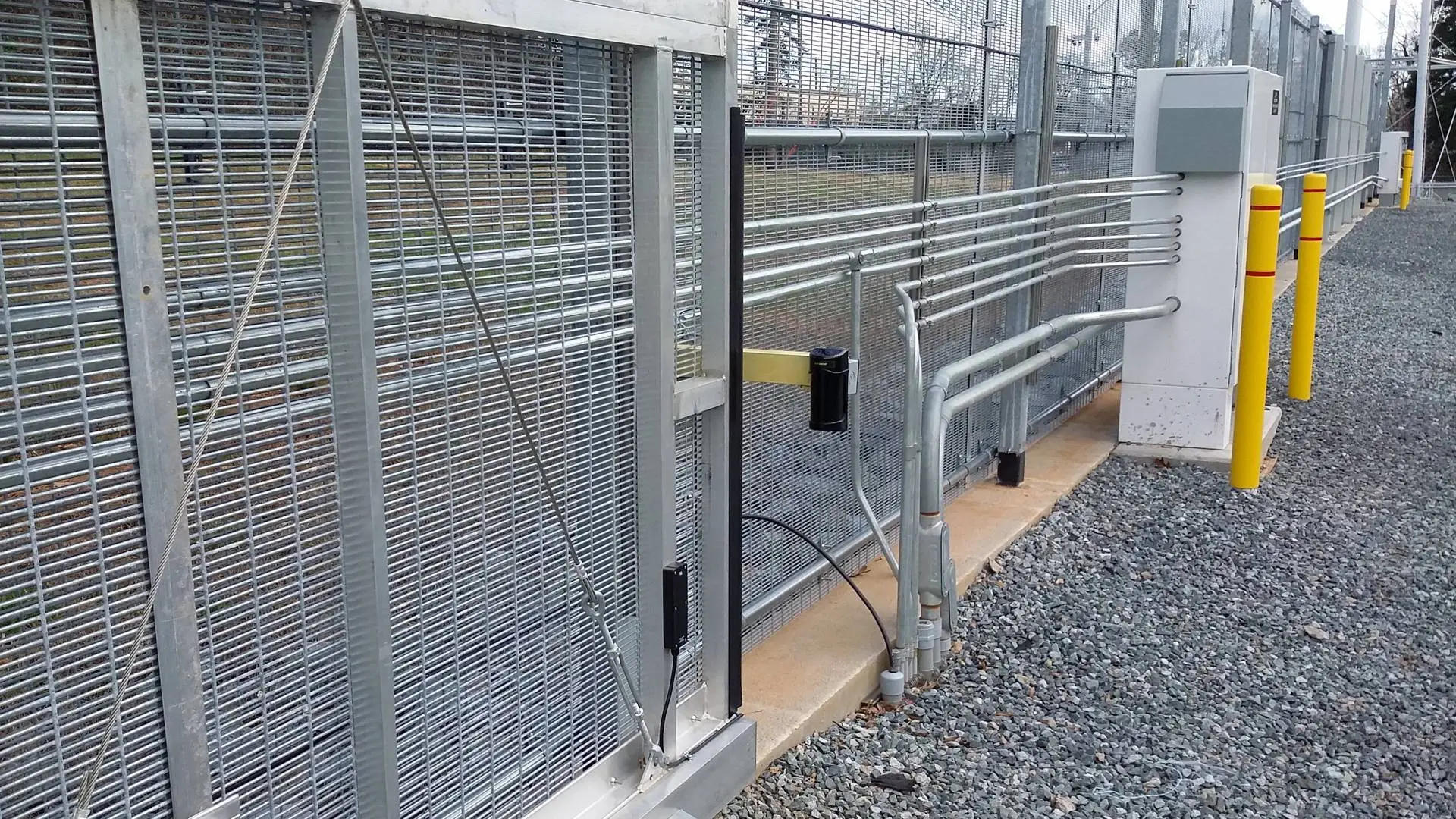
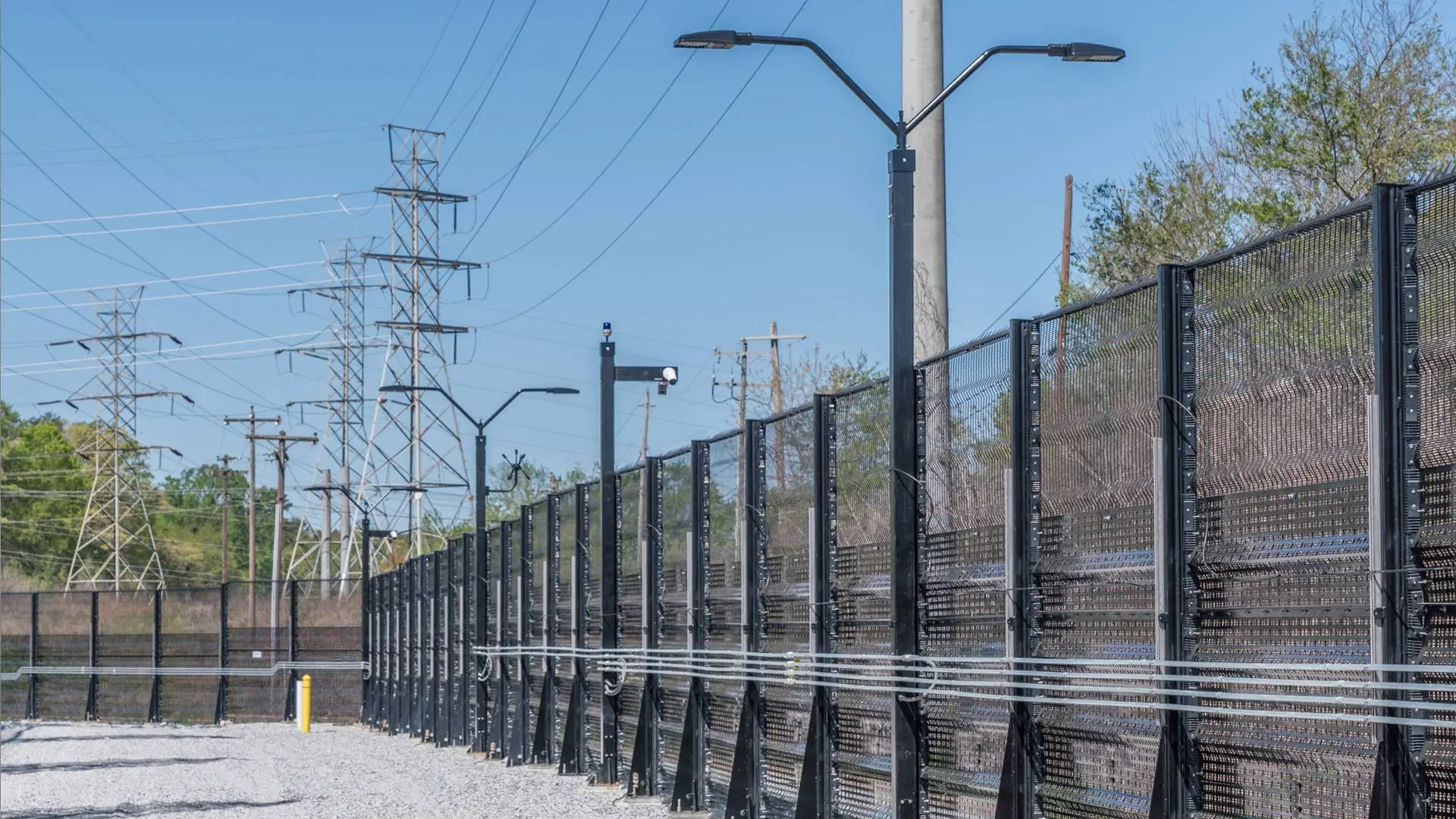
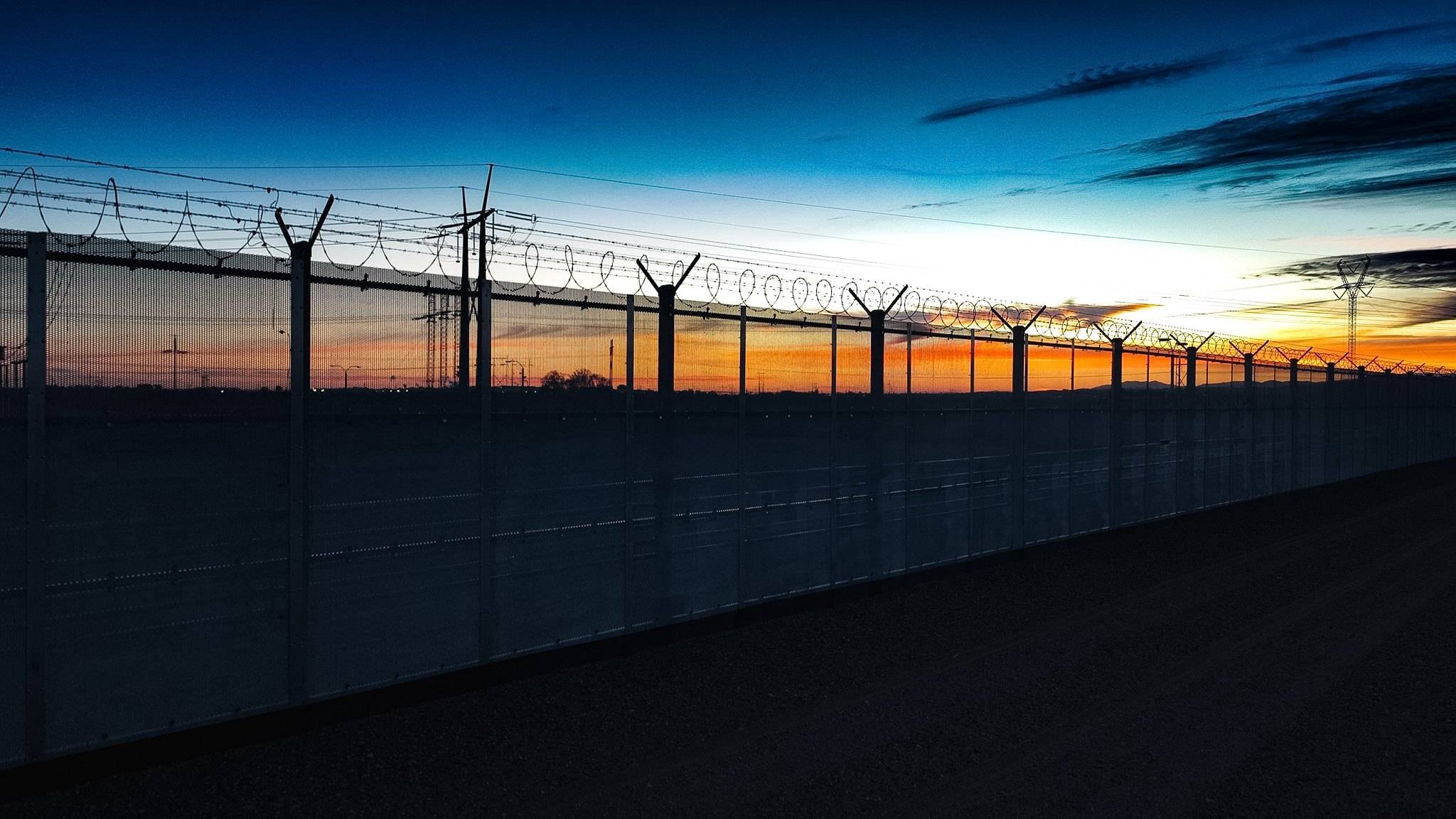
An anti-climb fence is a high-security perimeter fence with a mesh or profile that denies hand- and foot-holds, often topped with anti-cut and anti-scale features. Langston installs anti-climb fencing at substations, data centers, and federal-mission sites, integrated with detection sensors, crash-rated gates, and the perimeter wall line.

What are crash-rated gates and bollards, and what do M30, M40, and M50 mean?

Crash-rated gates and bollards are vehicle barriers tested to stop a hostile vehicle at the perimeter. M30, M40, and M50 are ASTM F2656 ratings for a 15,000-lb vehicle stopped at 30, 40, and 50 mph. Langston builds the foundations, the bollard and barrier line, and the gate operators so the rated standoff holds continuously across every entry point.

What UL 752 ballistic protection levels can Langston build to?

Langston builds ballistic wall assemblies across UL 752 Levels 1 through 10 - from 9mm handgun (Level 1) and 7.62mm rifle (Level 8) up to .50 BMG (Level 10) - specified for control-room hardening, federal facilities, and substation ancillary buildings under heightened threat.

Which sectors does Langston provide physical security construction for?

Langston delivers physical security construction across critical-infrastructure sectors: electric substations and utilities, hyperscale and colocation data center perimeters, federal and defense facilities, renewable generation, and water utilities - the same civil, structural, and security scope adapted to each site's threat profile.

Does Langston build physical security in-house or subcontract it?

Langston Construction Company builds the physical-security scope with its own crews - fencing, walls, gates, bollards, foundations, and the conduit and pads for access control and surveillance - and coordinates the owner's security-technology integrator. One contractor is accountable for the perimeter, the barriers, and the site civil under one schedule.

What construction scope does a hyperscale data center perimeter require?

Hyperscale data center perimeters typically pair an anti-climb fence system with K12 anti-ram vehicle barriers, multi-layer access control (vehicle gate, pedestrian portal, mantrap entry to facility), edge-analytic video surveillance, and intrusion detection across microwave + infrared + fiber-optic sensor types. Owner standards from Microsoft, Google, AWS, Meta, and Oracle vary but typically reference UL 752, crash-impact, and ISO 27001 + SOC 2 physical-control overlays. Langston builds to any major hyperscale DC owner standard.

Can Langston integrate access control with existing site systems?

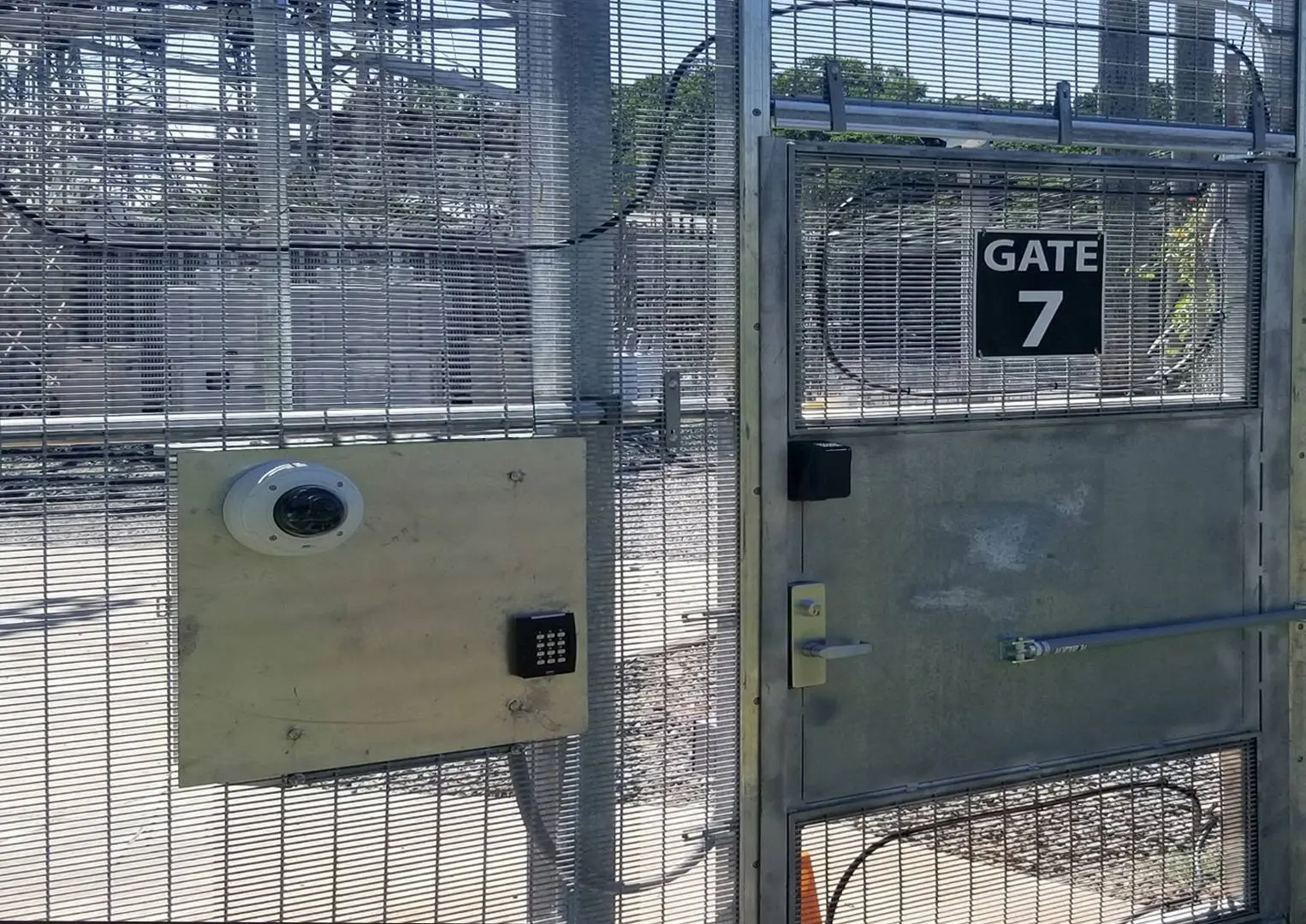
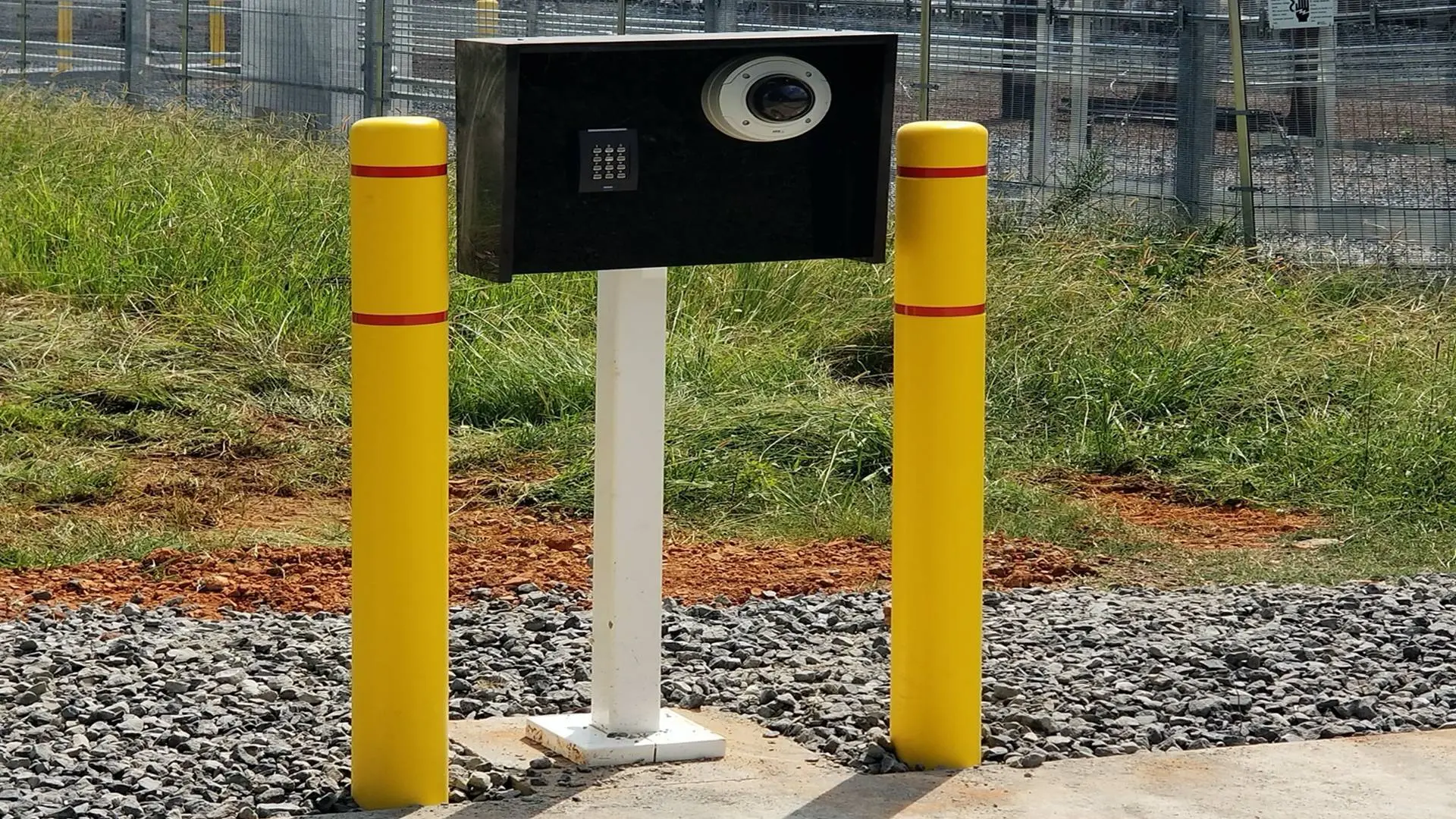
Yes. Langston has integrated access control across leading access control platforms platforms with utility OT, IT, and SCADA networks; federal facility ACS networks; and hyperscale DC owner platforms. Cabling, conduit, head-end rough-in, and field-side commissioning are executed. Vendor-certification work (cryptographic credentials, biometric enrollment) is coordinated with the platform integrator.

Building physical security construction for critical infrastructure since 1969

Seven mission-critical sectors. AGC CSEA 1st Place Utility Division 2026 winner. Talk to the Langston construction team.

Scroll to Top